
Termites can cause serious problems for buildings when they gain access to structural wood and other suitable materials. By the time visible termite damage appears, an infestation may already have been developing for some time.
This is why preventing termite entry can be an important part of property protection.
Anti-termite proofing in Oman is a preventive approach designed to reduce the risk of termites entering and establishing themselves in a building. It can be particularly relevant during construction, renovation or other stages when areas of a property are accessible for treatment and protection.
In this guide, we explain what anti-termite proofing is, why it matters, when it should be considered and how professional termite prevention can help protect properties.
What Is Anti-Termite Proofing?
Anti-termite proofing is a preventive termite-management process intended to reduce the likelihood of termite infestation.
Rather than waiting until termites are discovered, proofing focuses on protecting vulnerable areas before or during construction and, where appropriate, as part of property maintenance.
Depending on the building and treatment requirements, termite-proofing measures may involve treating suitable soil, structural areas, foundations or other potential termite entry routes.
The exact treatment should always be selected based on the construction, site conditions and professional assessment.
Why Is Termite Proofing Important?
Termites can remain hidden for long periods.
They may enter a property through areas that are not immediately visible, making early detection difficult.
Once termites become established, treatment may require more extensive inspection and control.
Preventive termite proofing can help property owners take action before a major infestation develops.
It may be particularly valuable for:
- New residential buildings
- Villas
- Apartment buildings
- Commercial properties
- Warehouses
- Offices
- Industrial buildings
- Renovation projects
- Construction projects
What Is Pre-Construction Termite Treatment?
Pre-construction termite treatment refers to termite-prevention measures carried out during the construction stage of a building.
At this stage, certain areas of the property are easier to access than they will be after construction is completed.
Depending on the construction design and treatment plan, termite protection may involve attention to areas such as:
- Soil beneath or around the structure
- Foundations
- Floor areas
- Construction joints
- Potential termite entry points
- Other vulnerable areas identified during assessment
The objective is to create a preventive barrier or treatment zone that can help reduce termite access.
Why Is Pre-Construction Termite Proofing Better to Plan Early?
Once a building is completed, many areas become difficult or impossible to access without disturbing the structure.
During construction, however, treatment can be incorporated into the appropriate stages of the project.
Planning termite protection early can therefore provide an opportunity to address vulnerable areas before they become concealed.
For developers, contractors and property owners, termite prevention should be considered as part of the overall building-protection strategy rather than only after termites are discovered.
How Does Anti-Termite Proofing Work?
The exact method depends on the property and the treatment system selected.
A professional termite-proofing process may involve several stages.
1. Site Assessment
The property or construction site is assessed to understand the building design, soil conditions and potential termite-entry routes.
2. Treatment Planning
A suitable termite-prevention strategy is developed according to the construction stage and site requirements.
3. Application
The selected treatment is applied to appropriate areas according to the treatment plan and product requirements.
4. Construction Coordination
For new buildings, termite protection may need to be coordinated with construction activities to ensure the relevant areas are treated at the appropriate stage.
5. Inspection and Documentation
The completed treatment can be reviewed and documented as part of the property’s pest-management records.
What Areas May Need Termite Protection?
The areas requiring attention depend on the building and construction method.
Potentially vulnerable areas may include:
- Foundations
- Soil around the building
- Ground-contact areas
- Floor construction areas
- Structural joints
- Utility entry points
- Areas containing or connecting to timber
- Other potential termite access routes
A professional inspection helps determine which areas require protection.
Is Anti-Termite Proofing Only for New Buildings?
No.
Although pre-construction termite treatment is particularly useful during new construction, existing properties can also require termite prevention.
For an existing building, a pest professional can assess:
- Current termite activity
- Previous termite damage
- Possible entry points
- Vulnerable areas
- Existing construction conditions
- Appropriate preventive measures
The approach for an existing building may differ from the approach used during new construction.
Signs That a Building May Have a Termite Problem
Termite proofing is preventive, but property owners should still know the warning signs of an existing infestation.
Look for:
- Hollow or damaged wood
- Mud tubes or shelter tubes
- Damaged wooden structures
- Doors or windows that become difficult to operate
- Cracked or damaged areas associated with termite activity
- Discarded wings near windows or light sources
- Visible termites or termite workers
- Repeated signs of insect activity around wooden areas
Not every sign necessarily means termites are present, so professional identification is recommended.
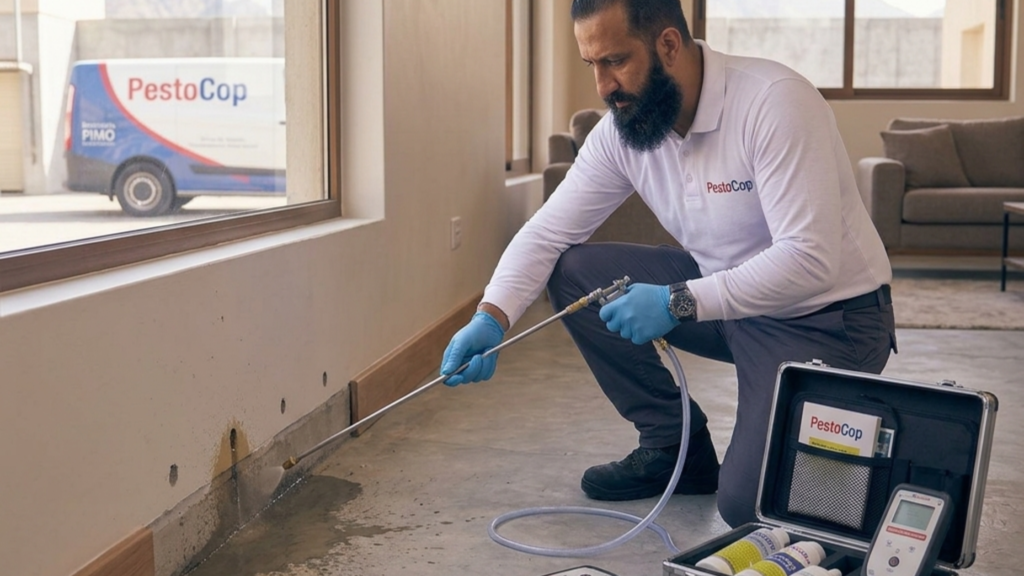
Anti-Termite Proofing vs Termite Treatment
These terms describe two different approaches.
Anti-Termite Proofing
The objective is prevention.
The property is protected before termites become an established problem or as part of ongoing termite-risk management.
Termite Treatment
The objective is control.
Treatment is carried out after termites or termite damage have been identified.
This distinction is important because preventing termites is generally different from treating an active infestation.
If termites are already present, proofing alone may not address the existing infestation.
Benefits of Professional Termite Proofing
Professional termite proofing can provide several advantages.
Early Prevention
It allows property owners to address termite risk before visible damage develops.
Protection of Vulnerable Areas
A professional assessment can identify areas that may otherwise be overlooked.
Construction-Stage Access
For new buildings, treatment can be planned while relevant areas are still accessible.
Reduced Risk of Recurring Problems
A preventive strategy can help reduce the likelihood of termites establishing themselves in protected areas.
Better Long-Term Planning
Professional termite management can form part of a property’s broader pest-prevention plan.
Pigeon Control in Oman: Practical Ways to Protect Homes and Businesses
Read this blog
Termite Proofing for Villas and Homes
Residential properties can be vulnerable to termite activity, particularly where buildings contain wood or other materials that may provide suitable food or access conditions.
Homeowners constructing a new villa or renovating an existing property can discuss termite prevention with a professional before construction work is completed.
For existing homes, regular inspections can help identify early warning signs.
Termite Proofing for Commercial Buildings
Commercial buildings may contain extensive structural areas, storage spaces and service routes that can make pest detection more challenging.
For offices, warehouses, hotels, factories and other commercial properties, termite prevention can be incorporated into broader facility-management practices.
Regular inspections can be especially useful when the property contains significant amounts of wood or has previously experienced termite activity.
How Can You Prevent Termites After Proofing?
Termite proofing is one part of termite prevention.
Property owners should also focus on ongoing maintenance.
Control Moisture
Repair leaks and avoid unnecessary moisture around the building.
Inspect Wooden Areas
Regularly check wooden structures and furniture for unusual damage.
Keep the Property Maintained
Address cracks, gaps and other building-maintenance issues where appropriate.
Avoid Unnecessary Wood-to-Soil Contact
Where practical, avoid creating direct pathways between soil and vulnerable wooden materials.
Monitor Regularly
Periodic inspection can help identify termite activity at an earlier stage.
Act Quickly
If signs of termites appear, arrange a professional inspection rather than waiting for the problem to develop.
How Much Does Anti-Termite Proofing Cost in Oman?
The cost of anti-termite proofing in Oman varies depending on the project.
Factors that may influence the price include:
- Size of the building
- Construction stage
- Type of property
- Area requiring treatment
- Site conditions
- Treatment method
- Accessibility
- Project requirements
For a new construction project, the most accurate quotation normally requires an assessment of the site and construction plans.
When Should You Arrange Termite Proofing?
For a new building, termite prevention should be discussed before the relevant construction stages are completed.
Planning early gives the pest-control professional and construction team an opportunity to coordinate the treatment with the building process.
For existing properties, termite proofing or other preventive measures can be considered after an inspection identifies the property’s risk areas.
If termites are already present, the priority should be proper termite identification and treatment before relying on preventive measures.
Frequently Asked Questions About Anti-Termite Proofing in Oman
What is anti-termite proofing?
Anti-termite proofing is a preventive pest-management approach designed to reduce the risk of termites entering and establishing themselves in a building.
What is pre-construction termite treatment?
Pre-construction termite treatment involves applying appropriate termite-prevention measures during the construction process, before relevant areas become inaccessible.
Is termite proofing necessary for a new building?
Termite prevention can be a valuable consideration for new construction because vulnerable areas may be easier to protect before the building is completed.
Can an existing house be termite-proofed?
Existing properties can also be assessed for termite prevention. The appropriate method depends on the building, current termite activity and accessible areas.
Does termite proofing guarantee that termites will never appear?
No pest-control treatment should be treated as an absolute guarantee. Effective termite prevention aims to reduce risk, while regular inspection and property maintenance remain important.
How long does termite proofing last?
The effective period depends on the treatment system, site conditions, construction and other factors. Professional advice should be