
Finding a scorpion inside your home, garden or workplace can be alarming. Scorpions are generally secretive and often hide in dark, sheltered locations during the day before becoming active at night. They may enter properties through gaps, cracks, poorly sealed doors and other openings.
Effective scorpion control in Oman starts with preventing entry, removing outdoor hiding places, reducing insect activity and arranging professional assessment when scorpions are repeatedly found around a property. Spraying alone is not a reliable long-term solution because scorpions can hide in protected spaces that treatments may not reach.
This guide explains why scorpions may enter properties, where they hide, how to reduce the risk of encounters and when professional pest management may be appropriate.
Why Is Scorpion Prevention Important in Oman?
Oman’s dry and warm environments make it important for property owners to pay attention to outdoor maintenance, building openings and areas where scorpions may find shelter.
Scorpions are predators that feed on insects and other small invertebrates. Areas with rubbish, debris, moisture and insect activity may provide attractive conditions for them.
Scorpions can also hide in:
- Gaps around walls and foundations.
- Spaces beneath stones and construction materials.
- Garden debris and unused equipment.
- Outdoor storage areas.
- Cracks around doors and windows.
- Dark spaces around utility connections.
Preventive scorpion management can help reduce unwanted encounters and improve the safety of residential and commercial surroundings.
Where Do Scorpions Hide Around Properties?
Understanding common hiding locations helps property owners carry out more effective inspections.
1. Gardens and Landscaping
Scorpions may hide beneath stones, plant containers, timber, garden debris and other sheltered objects.
Inspect areas around garden walls, pathways, outdoor seating and landscaped sections. Remove unnecessary clutter and maintain vegetation near the building.
2. Construction Materials and Storage Areas
Unused bricks, tiles, timber, pipes and construction materials can create sheltered spaces.
Avoid storing materials directly against external walls. Keep storage areas organised and inspect items before moving them.
3. Wall Cracks and Building Gaps
Small openings around foundations, walls, doors, windows and utility connections may provide access.
Inspect the building exterior and arrange suitable repairs to damaged seals, cracks and openings.
4. Shoes, Clothing and Towels
Scorpions may hide in undisturbed items left outdoors or in storage areas.
Avoid leaving shoes, clothing and towels on outdoor floors. Check and shake out footwear, clothing and towels before use, especially if they have been left in areas where scorpions may occur.
5. Garages and Outdoor Stores
Garages, sheds and storage rooms may contain cardboard, boxes, tools, unused equipment and other potential hiding places.
Keep these areas organised, avoid unnecessary clutter and inspect items before handling them.
6. Drainage and Utility Openings
Uncovered or poorly sealed openings may provide access to buildings.
Maintain suitable drain covers and inspect openings around plumbing and utility connections. Use appropriate materials to seal gaps without interfering with ventilation or drainage requirements.
Signs That Scorpions May Be Around Your Property
Scorpions are often difficult to detect because they hide during daylight hours.
Possible warning signs include:
- Repeated sightings around gardens or outdoor walls.
- Scorpions appearing in garages or storage rooms.
- Encounters near shoes, towels or stored materials.
- Insects gathering around outdoor lighting.
- Cracks and gaps that provide possible entry routes.
- Repeated reports from residents, employees or security staff.
A single sighting does not necessarily mean there is an established infestation. However, repeated encounters should prompt a careful inspection of the property and its surroundings.
Pest Control in Oman: The Complete Guide for Homes & Businesses
Read this blog
How to Prevent Scorpions Around Your Home
Prevention is an important part of scorpion management. The following steps can help reduce hiding places and entry opportunities.
1. Remove Outdoor Debris
Clear unnecessary stones, bricks, timber, rubbish and unused materials from areas around the building.
Keep outdoor spaces tidy and avoid creating piles of materials that provide sheltered hiding places.
2. Seal Building Openings
Inspect doors, windows, foundations, wall joints and utility openings.
Repair damaged door seals and use suitable sealing materials around gaps and cracks. Fit appropriate screens where necessary.
3. Maintain Gardens and Vegetation
Keep shrubs and low-growing vegetation appropriately maintained near the building.
Avoid allowing plants, branches and garden debris to accumulate against external walls.
4. Reduce Insect Activity
Scorpions feed on insects and other small invertebrates. Reducing unnecessary insect activity around the building may help reduce available food sources.
Keep waste areas clean, manage outdoor lighting sensibly and address other pest problems where they occur.
5. Organise Storage Areas
Keep garages, sheds and storage rooms clean and organised.
Avoid storing unused items directly on the floor where possible. Inspect boxes, equipment and materials before moving them.
6. Check Footwear and Clothing
Make it a routine to check shoes, clothing, bedding and towels before use if they have been left undisturbed in areas where scorpions may occur.
Wear closed footwear outdoors and suitable gloves when handling garden debris, timber or stored materials.
7. Inspect the Property Regularly
Carry out periodic inspections of:
- External walls and foundations.
- Door and window seals.
- Garden edges and pathways.
- Outdoor storage locations.
- Drain and utility openings.
- Garages and unused rooms.
Address maintenance issues as soon as they are identified.
Scorpion Safety: What Should You Do If You Find One?
Scorpions should never be handled with bare hands. Even a scorpion that appears inactive may sting if disturbed.
If you find a scorpion:
- Keep children and pets away from the area.
- Avoid touching, trapping or attempting to pick it up.
- Keep a safe distance and prevent people from approaching it.
- If it is indoors, restrict access to the immediate area if this can be done safely.
- Contact a qualified pest management professional for advice or safe removal.
Do not attempt to handle a scorpion using improvised tools or expose yourself to unnecessary risk while trying to identify it.
What Should You Do If Someone Is Stung?
A scorpion sting can cause pain and other symptoms, and the seriousness depends on factors including the species and the person affected.
If someone is stung:
- Seek urgent medical advice immediately.
- Contact local emergency medical services if symptoms are severe or the person is a child, elderly or otherwise vulnerable.
- Keep the affected person calm and minimise unnecessary movement.
- Do not cut the wound, attempt to suck out venom or apply a tight tourniquet.
- Do not delay medical care to try home remedies.
If it is safe to do so, note the appearance of the scorpion from a distance or take a photograph without attempting to capture it. This may help medical professionals with identification.
Why Scorpions May Keep Returning
Recurring scorpion sightings can indicate that the conditions around a property remain suitable for them.
Common contributing factors include:
Outdoor hiding places: Stones, timber, construction materials and rubbish may continue providing shelter.
Unsealed building openings: Gaps around doors, windows, pipes and foundations may allow scorpions to enter.
Insect activity: An abundance of insects may provide a food source.
Unmaintained storage areas: Cluttered garages and outdoor stores can provide undisturbed hiding locations.
Nearby habitat: Scorpions may be present in the surrounding environment, even when the property itself is well maintained.
The most useful response is to inspect the building and its surroundings, correct maintenance problems and monitor areas where sightings occur.
Professional Scorpion Control: What Does It Involve?
Professional scorpion management should be based on inspection and an understanding of the property’s specific conditions.
Depending on the situation, an appropriate service may involve:
1. Property Inspection
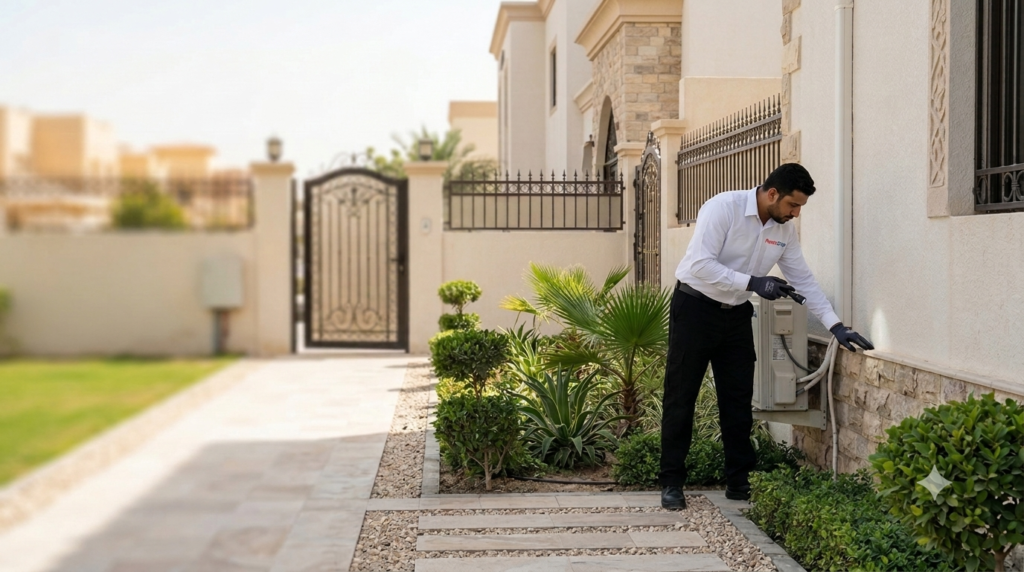
The technician examines likely hiding places, entry points, outdoor storage areas, gardens and building boundaries.
The aim is to identify the locations contributing to scorpion encounters.
2. Entry-Point Assessment
The inspection may identify gaps around doors, windows, walls, foundations and utility openings that need suitable sealing or maintenance.
3. Environmental Recommendations
The provider may recommend removing debris, organising storage areas, managing vegetation and reducing conditions that attract insects.
4. Suitable Control Measures
Where necessary, a professional may recommend appropriate control methods based on the property, scorpion activity and relevant safety considerations.
Chemical treatments should not be used as a substitute for physical exclusion and habitat management. They should be selected and applied by qualified professionals according to product instructions and applicable requirements.
5. Follow-Up Monitoring
Where scorpion sightings continue, follow-up inspections can help assess whether corrective measures have been effective and whether additional action is needed.
Rodent Control in Oman: How to Protect Your Home and Business from Rats and Mice
Read this blog
Why Spraying Alone May Not Eliminate Scorpions
Scorpions often hide in cracks, crevices and other protected locations. This makes them difficult to manage through pesticide applications alone.
A treatment may not reach every hiding place, and scorpions may continue entering from nearby outdoor areas if access points and surrounding conditions remain unchanged.
A more complete approach combines:
- Property inspection.
- Sealing suitable entry points.
- Removing outdoor debris.
- Maintaining gardens and storage areas.
- Reducing insect activity.
- Targeted professional control where appropriate.
- Follow-up monitoring.
This prevention-focused approach helps address the reasons scorpions are appearing rather than relying only on chemical treatment.
Scorpion Prevention for Different Types of Properties
Different properties have different risks and maintenance requirements.
Scorpion Control for Residential Homes
Homeowners should inspect gardens, garages, outdoor storage, wall openings and areas around doors and windows.
Keep shoes and towels off outdoor floors, check stored items before handling them and arrange repairs to gaps that may allow entry.
Scorpion Prevention for Hotels and Resorts
Hotels may have landscaped gardens, outdoor seating, service corridors, storage areas and guest-facing facilities.
Management teams should include outdoor inspections in their maintenance procedures, keep storage areas organised and ensure that any reported sighting is handled promptly and safely.
Scorpion Management for Warehouses
Warehouses may have loading bays, stored materials, unused equipment and exterior storage areas.
Keep materials organised, avoid unnecessary debris around building walls and inspect delivery and storage areas where scorpions could hide.
Scorpion Prevention for Construction Sites
Construction sites can contain stones, timber, bricks, pipes and other materials that provide potential shelter.
Site managers should maintain orderly storage areas, manage waste and ensure workers understand how to respond safely if a scorpion is found.
What Is Integrated Pest Management for Scorpion Control?
Integrated Pest Management (IPM) combines inspection, prevention, monitoring and suitable control methods.
For scorpion management, the process can include:
Inspect: Identify scorpion sightings, possible hiding places and building access points.
Exclude: Seal appropriate openings around doors, windows, walls and utility connections.
Modify the environment: Remove unnecessary debris, organise storage and maintain landscaping.
Reduce food sources: Address insect activity around the property.
Control: Use suitable professional methods when required.
Monitor: Review repeated sightings and check whether preventive measures are working.
This approach reduces reliance on pesticide applications alone and focuses on making the property less accessible and less suitable for scorpions.
Choosing a Professional Scorpion Control Company in Oman
When selecting a pest management provider, consider the following:
Inspection capability: The provider should assess the property and identify likely hiding places and entry points.
Prevention recommendations: Ask whether the service includes advice about sealing gaps, removing debris and improving outdoor maintenance.
Appropriate treatment methods: Any treatment should be selected according to the property and the specific pest concern.
Safety procedures: Confirm how the service protects residents, guests, employees and pets during inspection and treatment.
Clear reporting: Commercial property managers may benefit from written findings and corrective-action recommendations.
Follow-up support: Ask how recurring scorpion sightings will be assessed and managed.
How PestoCop Can Help With Pest Management in Oman
PestoCop provides pest management services for residential and commercial properties in Oman.
Scorpion concerns may require a combination of inspection, property maintenance recommendations, environmental management and appropriate professional control measures.
For homes, hotels, warehouses and other properties, the most suitable approach depends on the location of sightings, building access points and surrounding conditions.
To discuss your property’s pest management requirements, visit PestoCop’s services page.
Contact PestoCop:
- Phone: +968 9901 4848
- Email: info@pestocop.om
- Website: https://pestocop.om/
Frequently Asked Questions About Scorpion Control in Oman
1. Are scorpions found around homes in Oman?
Scorpions can occur in arid and semi-arid environments and may be encountered around buildings, gardens and outdoor storage areas. Sightings should be handled carefully, without attempting to touch or capture the animal.
2. Where do scorpions hide during the day?
They commonly shelter in dark, protected locations such as cracks, spaces beneath stones, stored materials, garden debris and building crevices.
3. How can I prevent scorpions from entering my home?
Seal suitable gaps around doors, windows, walls and utility connections. Keep outdoor areas clear of unnecessary debris and maintain gardens and storage spaces.
4. Do scorpions enter homes through drains?
Scorpions may access buildings through openings around plumbing and other building connections. Maintain suitable drain covers and inspect gaps around utility openings.
5. Are scorpions attracted to insects?
Scorpions are predators that feed on insects and other small invertebrates. Managing insect activity and maintaining clean outdoor spaces can help reduce conditions that may attract them.
6. Can spraying alone eliminate scorpions?
Spraying alone is not a dependable long-term solution. Physical exclusion, removal of hiding places, environmental maintenance and suitable professional control measures are also important.
7. What should I do if I find a scorpion in my bedroom?
Keep away from it, prevent children and pets from approaching and do not attempt to pick it up. Arrange safe professional assistance and check clothing, footwear and bedding before use.
8. How can hotels reduce scorpion encounters?
Hotels should inspect landscaping, storage areas, service spaces and building openings. Regular maintenance, organised storage and prompt response to sightings are important.
9. Are scorpion stings dangerous?
Some scorpion stings can cause serious medical problems. The risk varies by species and the person affected. Seek urgent medical advice after a sting and contact emergency services if symptoms are severe.
10. When should I contact a professional pest control company?
Contact a professional if scorpions are repeatedly found indoors or around occupied areas, if potential hiding places are difficult to inspect or if you need a structured property prevention plan.
Conclusion
Scorpion control in Oman begins with prevention, property maintenance and awareness. Removing outdoor debris, sealing building openings, organising storage areas and reducing insect activity can help make properties less attractive and accessible to scorpions.
Homes, hotels, warehouses and commercial facilities can benefit from regular inspections and a structured Integrated Pest Management approach.
If scorpions are repeatedly appearing around your property, seek professional pest management advice rather than attempting to handle them yourself. Contact PestoCop to discuss your property’s pest management requirements in Oman.