
Ants may look like a minor nuisance, but a trail of ants across a kitchen counter, pantry shelf or office floor can indicate a larger problem nearby. Once ants discover a reliable source of food or water, they can establish regular routes into a building and continue returning.
Effective ant control in Oman requires identifying where ants are entering, locating the conditions attracting them and choosing a suitable method to manage the colony. Cleaning visible ants alone may provide temporary relief, but lasting prevention also requires good sanitation, moisture control and sealing access points.
This guide explains why ants enter properties, where they commonly nest, how to prevent infestations and when professional pest management may be appropriate.
Why Do Ants Enter Homes and Businesses?
Ants enter buildings mainly in search of food, water and suitable nesting locations. Even small amounts of food residue or moisture can attract foraging ants.
Common attractants include:
- Crumbs and food spills.
- Open containers of sugar and other dry foods.
- Uncovered rubbish bins.
- Sweet drinks and sticky residues.
- Leaking pipes and damp areas.
- Pet food left uncovered.
- Overgrown vegetation close to buildings.
Ants can also enter through tiny openings around doors, windows, plumbing connections, wall joints and utility lines.
In warm environments such as Oman, ants may remain active around buildings throughout much of the year. Property maintenance and consistent cleaning are therefore important parts of prevention.
Common Places Where Ants Appear
Identifying where ants are active can help reveal what is attracting them and where they may be entering.
1. Kitchens and Food Preparation Areas
Kitchens provide several things ants need: food, moisture and shelter.
Inspect:
- Kitchen counters and cupboards.
- Food storage shelves.
- Areas beneath refrigerators and cooking equipment.
- Sink cabinets and plumbing connections.
- Cracks around tiles and skirting.
- Waste bins and recycling containers.
Clean food residues promptly and store ingredients in sealed containers.
2. Bathrooms and Laundry Rooms
Bathrooms and laundry areas can attract ants because of moisture and water sources.
Check for leaking taps, damp cupboards, pipe openings and areas where water collects. Repairing leaks can reduce the conditions that attract ants.
3. Gardens and Outdoor Areas
Ant colonies may be established in soil, landscaped areas, paving joints and other outdoor locations.
Inspect garden edges, planters, patios, outdoor kitchens and areas close to building foundations. Avoid allowing vegetation and debris to accumulate against exterior walls.
4. Offices and Commercial Buildings
Offices may experience ant activity around staff kitchens, break rooms, vending machines, waste bins and food storage areas.
Cleaning shared facilities regularly and controlling food waste can help prevent ants from establishing indoor routes.
5. Restaurants and Food Storage Areas
Restaurants and food businesses need particular attention because food residues and regular deliveries can create opportunities for ant activity.
Inspect receiving areas, dry stores, preparation counters, waste facilities and equipment spaces. Keep food properly stored and investigate ant trails as soon as they are noticed.
How to Identify an Ant Infestation
A few ants may be occasional visitors, but repeated activity can indicate an established route or nearby colony.
Common warning signs include:
- Lines of ants moving along walls, floors or counters.
- Ants repeatedly appearing around the same food source.
- Activity near doors, windows or plumbing openings.
- Ants emerging from cracks in walls or floors.
- Ant activity around garden beds and building foundations.
- Repeated sightings despite regular cleaning.
Follow an ant trail carefully to understand where the insects are travelling. Avoid disturbing the area before the likely entry point and source have been identified.
Different ant species can require different management approaches, so accurate identification is useful before selecting a treatment.
Rodent Control in Oman: Complete Guide to Rats & Mice
Read this blog
How to Prevent Ants in Your Home
Simple maintenance habits can reduce the likelihood of ants entering residential properties.
1. Keep Food Properly Stored
Store sugar, cereals, snacks and other dry ingredients in sealed containers.
Avoid leaving uncovered food on counters overnight. Clean food spills immediately, including small crumbs beneath appliances and furniture.
2. Clean Kitchen Surfaces Regularly
Wipe counters, shelves, dining tables and food preparation areas.
Pay attention to sticky residues from drinks, sauces and sweet foods. Clean beneath appliances where food particles may collect.
3. Manage Household Waste
Use bins with secure lids and remove rubbish regularly.
Clean the inside and outside of bins when food residues accumulate. Keep outdoor waste areas tidy.
4. Repair Leaks and Control Moisture
Fix dripping taps, leaking pipes and damaged plumbing connections.
Dry damp surfaces and investigate recurring moisture around sinks, bathrooms and laundry areas.
5. Seal Entry Points
Inspect gaps around doors, windows, pipes and utility openings.
Use suitable sealing materials to close accessible gaps. Check door seals and window screens for damage.
6. Maintain Outdoor Areas
Remove unnecessary garden debris and keep vegetation appropriately maintained near the building.
Inspect paving joints, outdoor storage areas and locations where ants repeatedly appear.
Ant Prevention for Restaurants and Commercial Kitchens
Ant control is especially important in food-related businesses because ants may move between waste areas, floors, storage locations and food preparation surfaces.
Restaurant managers should establish clear cleaning and inspection procedures.
Recommended measures include:
- Store ingredients in sealed containers.
- Clean food preparation surfaces after use.
- Remove food waste regularly.
- Keep bins covered and clean.
- Inspect dry storage and delivery areas.
- Repair plumbing leaks.
- Seal suitable gaps around pipes and doors.
- Monitor recurring ant trails.
- Arrange professional inspection when activity continues.
Food businesses should ensure that any pest treatment is planned around food handling and follows the product label, safety instructions and applicable requirements.
Ant Control for Hotels and Hospitality Properties
Hotels may experience ant activity in guest rooms, kitchens, restaurants, housekeeping areas, landscaped gardens and waste facilities.
A property-wide approach is more effective than treating individual rooms without investigating shared sources.
Hotel management teams can:
- Include ant checks in housekeeping and maintenance inspections.
- Monitor food storage and restaurant areas.
- Keep waste collection points clean.
- Inspect gardens and outdoor dining spaces.
- Investigate recurring reports from guest rooms.
- Record pest sightings and corrective actions.
- Arrange professional assessment where necessary.
Coordinating housekeeping, maintenance and pest management teams can help identify patterns that may otherwise go unnoticed.
Why Do Ants Keep Coming Back After Treatment?
Recurring ant activity is often a sign that the original source has not been fully addressed.
Possible reasons include:
The colony remains active: Removing visible worker ants does not necessarily eliminate the colony.
Food sources are still available: Crumbs, uncovered ingredients and waste may continue attracting foraging ants.
Entry points remain open: Small gaps around pipes, doors and walls may allow ants to return.
Moisture problems continue: Leaks and damp areas can provide a reliable water source.
The treatment method is unsuitable: Different ant species and nesting locations may require different control methods.
Nearby colonies remain active: Outdoor nesting areas may continue supplying ants to the building.
The best next step is to reassess the property, identify the source and review the treatment and prevention plan.
Professional Ant Control: What Does It Involve?
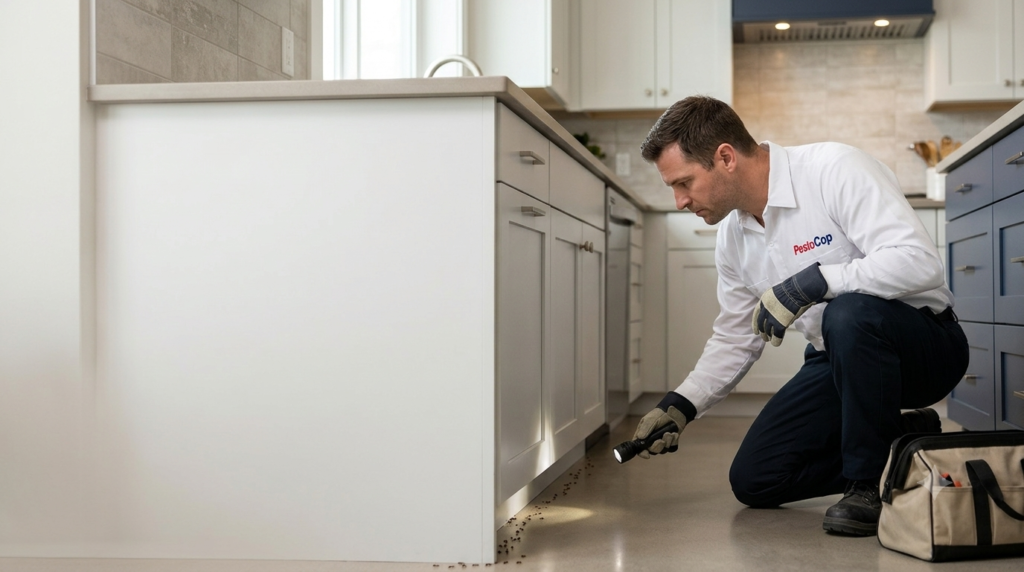
Professional ant management should begin with inspection rather than automatically applying the same treatment to every property.
Depending on the infestation, a suitable service may involve the following steps.
1. Inspection and Identification
The technician examines areas where ants are active and looks for trails, entry points, food sources and possible nesting locations.
Identifying the ant type and understanding its behaviour can help determine the appropriate management strategy.
2. Locating the Source
The inspection may include kitchens, cupboards, bathrooms, wall gaps, gardens, paving joints and building perimeters.
The objective is to understand where ants are entering and what is attracting them.
3. Selecting a Suitable Treatment
The control method should be chosen according to the ant species, activity, nesting location and property use.
Depending on the circumstances, professional programmes may use suitable baiting or targeted treatments. Application must follow product instructions and relevant safety precautions.
4. Prevention Recommendations
The service should also identify conditions that need correction, such as leaking pipes, food residues, waste management issues and building gaps.
5. Follow-Up Monitoring
Follow-up inspections can help determine whether ant activity has declined and whether additional corrective action is needed.
What Is Integrated Pest Management for Ant Control?
Integrated Pest Management (IPM) combines inspection, prevention, monitoring and targeted pest control.
For ant management, the process can be organised into five stages:
- Inspect: Identify ant activity, trails, entry points and possible nesting areas.
- Prevent: Improve sanitation, remove food sources and manage moisture.
- Exclude: Seal suitable gaps and reduce access to the building.
- Control: Use appropriate treatment methods based on the inspection findings.
- Review: Monitor results and adjust the programme if ants continue returning.
This approach helps property owners address the conditions supporting ant activity rather than relying only on repeated treatments.
Choosing a Professional Ant Control Company in Oman
Before selecting a pest management provider, consider the following factors.
Inspection-Based Recommendations
The provider should investigate the source of the problem and explain why ants may be entering the property.
Appropriate Treatment Methods
Treatment should be selected according to the ant type, location and surrounding environment.
Safety Considerations
Ask about precautions for children, pets, employees, guests and food preparation areas. Follow all product instructions and any access or re-entry guidance provided.
Prevention Advice
A good service should include practical recommendations about sanitation, moisture control, waste management and building maintenance.
Monitoring and Follow-Up
Ask how the provider will evaluate results and what happens if ant activity continues.
Clear Communication
For commercial properties, clear service reports and recommendations can help management teams track pest activity and corrective actions.
Cockroach Control in Oman: Effective Ways to Maintain a Clean and Healthy Environment
Read this blog
How PestoCop Can Help With Ant Management in Oman
PestoCop provides pest management services for residential and commercial properties in Oman.
Ant problems can vary depending on the property. A residential kitchen may have an issue related to food storage or moisture, while a restaurant or commercial building may require a wider inspection of food areas, waste facilities, entry points and outdoor surroundings.
An appropriate pest management plan should consider the location and extent of activity, potential attractants and the most suitable prevention and control measures.
To discuss your property’s pest management requirements, visit PestoCop’s services page.
Contact PestoCop:
- Phone: +968 9901 4848
- Email: info@pestocop.om
- Website: https://pestocop.om/
Frequently Asked Questions About Ant Control in Oman
1. Why are ants suddenly appearing in my kitchen?
Ants may have discovered food residues, sugary substances or a water source. Follow their trail to identify where they are entering and remove the attractants.
2. How can I prevent ants from entering my home?
Store food in sealed containers, clean spills, remove rubbish regularly, repair leaks and seal suitable gaps around doors, windows and pipes.
3. Why do ants keep returning after cleaning?
Cleaning removes food residues but may not eliminate an established colony or close the entry points ants are using. The source of activity needs to be investigated.
4. Are ants attracted to water?
Yes. Many ants search for moisture as well as food. Leaking pipes, damp cupboards and water around sinks can attract them.
5. How do I find an ant nest?
Observe the direction of ant trails and look for repeated activity around cracks, garden edges, paving joints and other sheltered locations. Nests may be hidden, so a professional inspection can help locate the source.
6. Is ant control important for restaurants?
Yes. Ants can move through food preparation, storage and waste areas. Restaurants should maintain strict sanitation, store ingredients properly and investigate ant activity promptly.
7. Can ants enter through small cracks?
Yes. Small openings around windows, doors, plumbing connections and building joints can provide access. Suitable sealing and maintenance can reduce entry.
8. Does professional ant treatment eliminate the entire colony?
Results depend on the ant species, colony location and selected treatment method. The provider should explain the treatment approach and any monitoring or follow-up requirements.
9. How often should businesses inspect for ants?
Inspection frequency depends on the type of business, food handling activities, property conditions and previous pest history. Food-related and higher-risk premises may require more frequent monitoring.
10. When should I contact a pest control company?
Consider professional assistance when ants repeatedly appear, trails spread to several rooms, the nest cannot be located or routine cleaning and maintenance do not resolve the problem.
Conclusion
Ant control in Oman requires more than removing the ants visible on floors and kitchen counters. Long-term management depends on identifying the source, reducing food and water attractants, sealing entry points and selecting suitable control methods.
Homes, restaurants, hotels and commercial properties can all benefit from regular inspections and a prevention-focused Integrated Pest Management approach.
For professional pest management enquiries, contact PestoCop to discuss the requirements of your property in Oman.